


Medication can create stability. Connected care helps you build from it.
MAT & RECOVERY SUPPORT
Medication. Therapy. Recovery support. One coordinated plan.
Recovery is about more than managing cravings or withdrawal. It is also about understanding what brought you here, building practical skills, strengthening your support system, and creating a life that feels sustainable.
At Altium Health, medication-assisted treatment is part of a broader recovery pathway. Our medical and behavioral-health teams work together to develop a plan based on your symptoms, goals, circumstances, and preferred level of support.
Recovery support that treats the whole picture.
MORE THAN A PRESCRIPTION
Medication can be an important part of treatment, but it does not exist in a vacuum. Mental health, relationships, stress, trauma, physical symptoms, and daily responsibilities can all affect recovery.
Our MAT & Recovery Support Program brings medication management, therapy, structured recovery services, and ongoing care coordination into one connected plan. Instead of navigating several disconnected providers, you have a team that communicates and adjusts your care as your needs change.
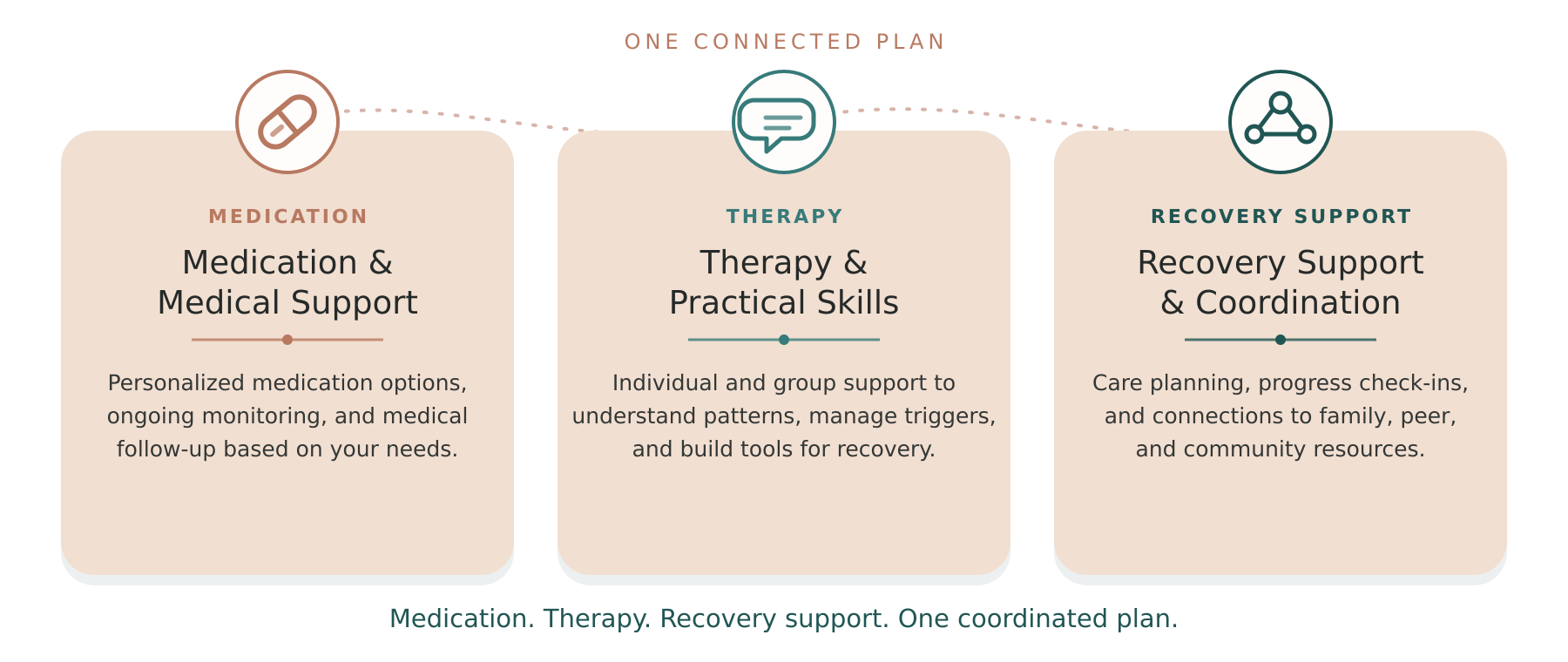
Every person enters recovery with a different history, support system, schedule, and set of needs. Everyone begins with an individualized assessment, but the services included in your plan will depend on what is clinically appropriate and genuinely helpful for you.
YOUR PLAN MAY INCLUDE:
• A confidential substance-use and mental-health assessment
• Medication evaluation and ongoing follow-up
• Individual therapy
• Recovery-focused group therapy
• Education about cravings, triggers, and relapse prevention
• Support for anxiety, depression, trauma, or other co-occurring concerns
• Safety and overdose-prevention planning when appropriate
• Family education or involvement—with your permission
• Coordination with existing therapists, prescribers, or other providers
• Connection to peer, mutual-help, or community recovery resources
• Assessment for ambulatory detox, IOP, PHP, or another level of care when needed
• Continued outpatient support as you gain stability
Some people benefit from medication and periodic follow-up. Others need therapy, groups, or more structure. Your care can grow, change, or step down over time.
One program does not mean one-size-fits-all treatment.
YOUR CARE, BUILT AROUND YOU
OPIOID USE DISORDER
Treatment may include medication to help manage withdrawal and cravings, ongoing medical monitoring, therapy, recovery planning, and support for reducing overdose risk.
ALCOHOL USE DISORDER
Depending on your needs, care may include medication evaluation, therapy, medical monitoring, relapse-prevention planning, and support for creating safer and more sustainable change.
CO-OCCURRING MENTAL HEALTH CONCERNS
Substance use does not always happen separately from anxiety, depression, trauma, ADHD, grief, or other mental-health concerns. Altium’s connected team can address both substance use and mental health within a coordinated treatment plan.
Care for opioid use, alcohol use, and the concerns that often accompany them.
WHO WE SUPPORT

A clear beginning—with support that changes as you do.
WHAT TO EXPECT
-
We will listen to what has been happening, what you have already tried, and what you want to be different. You do not need to have everything figured out before calling.
-
Your team will recommend medication, therapy, recovery services, or an appropriate combination based on your needs. We will also discuss scheduling, insurance, and any additional evaluations that may be required.
-
You will meet with the appropriate medical and behavioral-health providers. If you need more structured support, we can assess whether ambulatory detox, IOP, PHP, or another service would be helpful.
-
Recovery is not always linear. Your team will monitor how you are responding and make adjustments as your symptoms, goals, and circumstances change.
A setback does not mean you have failed or that care will be taken away. It means we need to understand what happened and determine what additional support may help.
You do not have to choose between medication and meaningful recovery support.
Not everyone needs an intensive program. Some clients may benefit from outpatient medication management and therapy, while others may need daily structure or short-term medical support.
Because Altium offers several levels of behavioral-health care, we can help determine whether your needs are best supported through:
Outpatient medication management
Individual or group therapy
Ambulatory detox
Mental-health or substance-use IOP
Partial hospitalization programming
Dual-diagnosis treatment
Ongoing recovery and psychiatric support
The goal is continuity: helping you move between levels of care without having to start over with an entirely new team.
The right amount of care—not automatically the most care.
FLEXIBLE LEVELS OF SUPPORT
Clear information to help you make the best choice - for you.
MAT FAQs
-
No. You can contact us while you are still using substances, experiencing cravings, or concerned about withdrawal. Certain medications require specific timing before they can be started safely, so it is important to follow your provider’s instructions rather than attempting to begin treatment on your own.
-
Not always. The safest starting point depends on the substance, your current use, withdrawal risk, medical condition, and the medication being considered. Some individuals may benefit from ambulatory detox or a higher level of care before continuing with outpatient treatment.
-
Care is individualized. Therapy and recovery support can be highly valuable, but not every person needs the same frequency or level of service. Your provider will discuss the available options and recommend a plan based on your clinical needs and goals.
-
There is no universal timeline. Some people use medication for a shorter period, while others benefit from longer-term treatment. Decisions about continuing, adjusting, or gradually discontinuing medication should be based on your health, stability, preferences, and risk.
-
Returning to use does not mean that treatment has failed or that you will automatically be discharged. It may mean that your medication, safety plan, support system, or level of care needs to be reassessed.
-
Altium does not dispense methadone for opioid use disorder. Methadone for opioid use disorder must be provided through a federally certified opioid treatment program. If methadone appears to be a more appropriate option, our team can help you understand the next steps and available referral resources.
-
Yes. Altium provides integrated support for substance use and co-occurring concerns such as depression, anxiety, trauma, and other behavioral-health conditions. Your team can help coordinate psychiatric care, therapy, and the appropriate level of outpatient support.
-
Coverage depends on your insurance plan, medication, services, and medical-necessity requirements. Our team can help verify benefits and explain anticipated costs before care begins.
INSURANCE & PAYMENT
Making quality care more accessible.
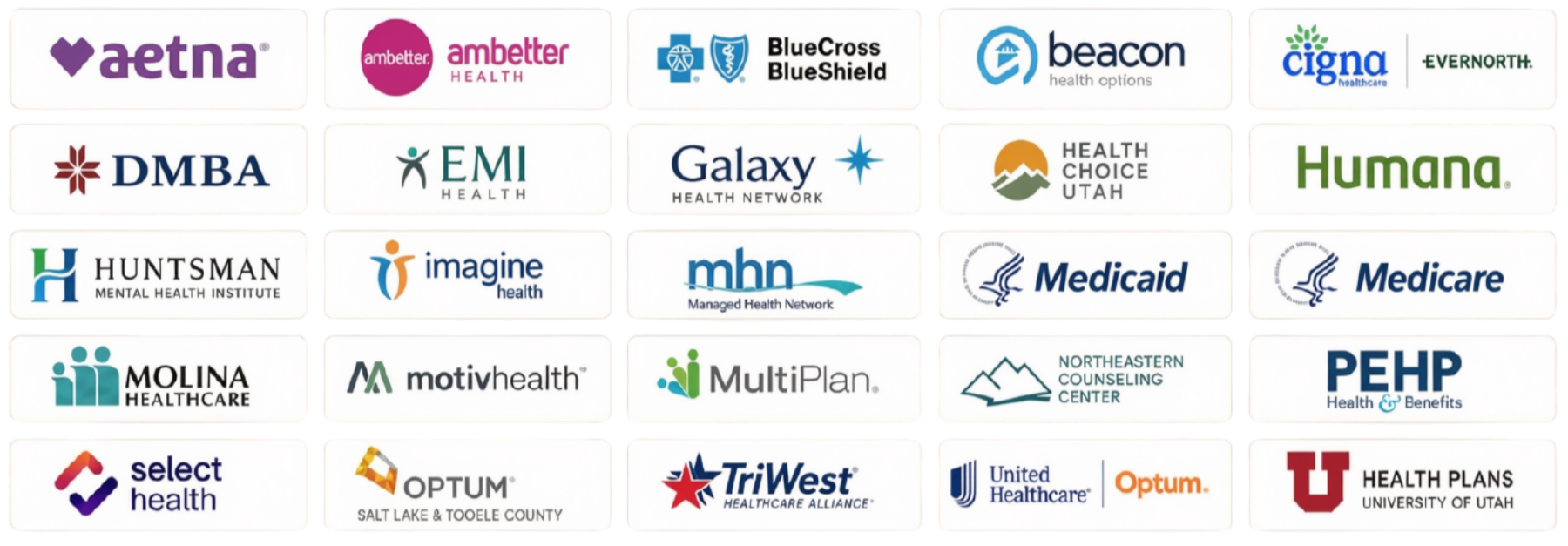
Altium Health works with many major insurance plans. Because coverage varies by plan and service, our team will help you understand your benefits and anticipated costs before care begins.
More options. One connected team.
CARE DESIGNED AROUND YOU

Medication Management
Thoughtful psychiatric evaluation and ongoing medication support tailored to you.
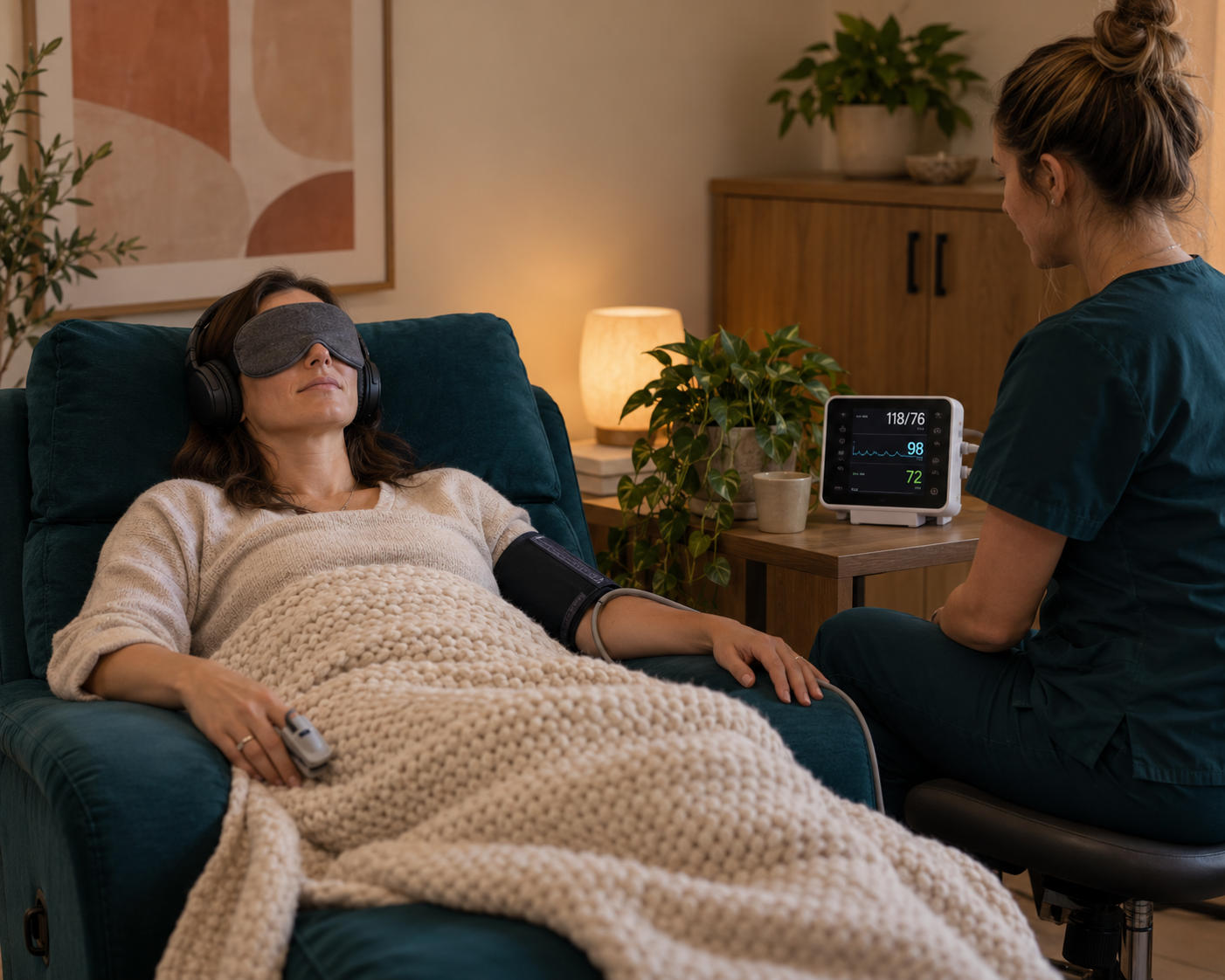
Ketamine Therapy
Clinician-guided treatment for appropriate patients when other approaches have not helped enough.
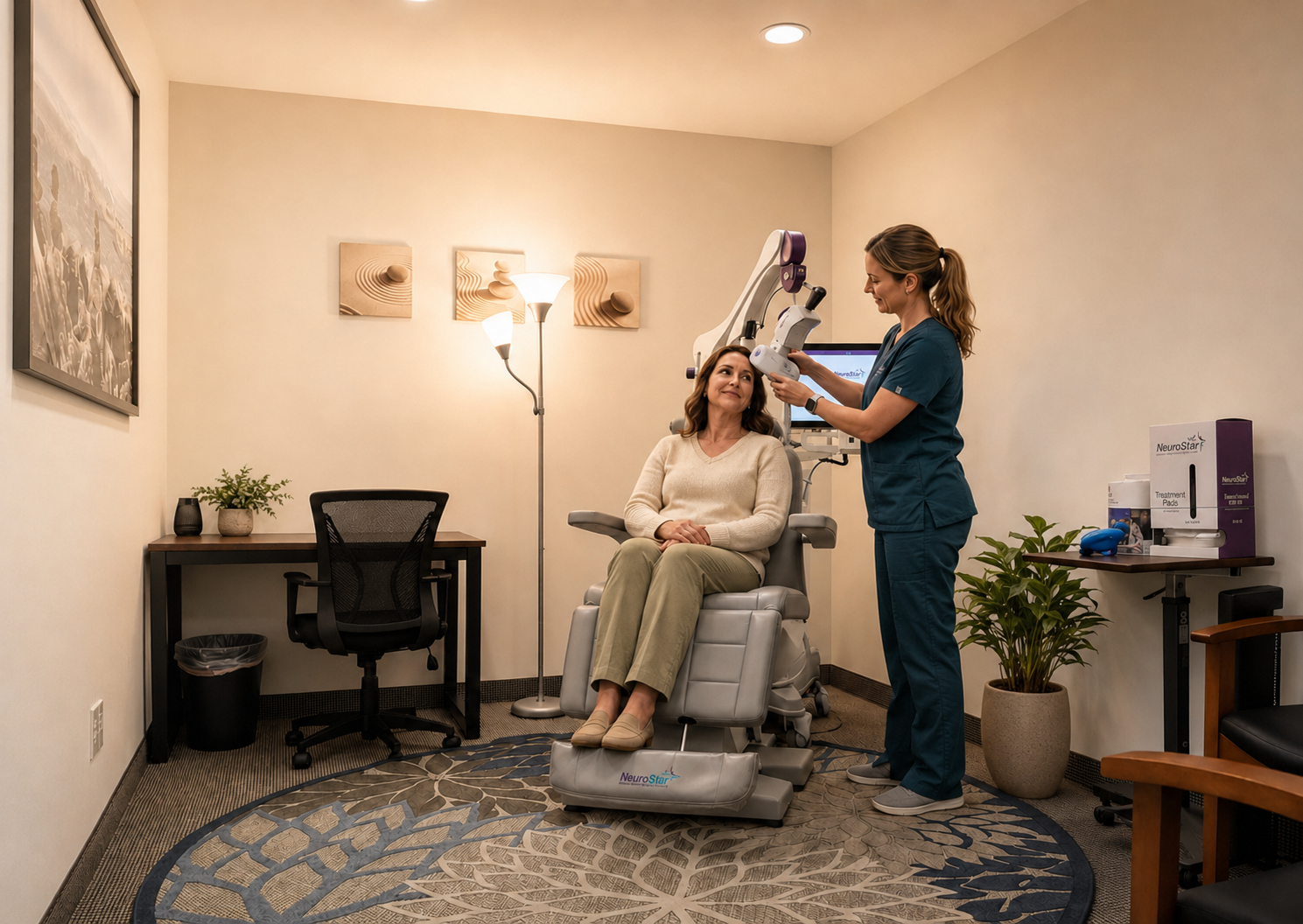
Transcranial Magnetic Stimulation
A non-invasive treatment option for depression with no anesthesia or recovery time.
Ambulatory Detox
Medical support for withdrawal while you remain connected to home and daily life.

Therapy Programs
Therapeutic support while you remain connected to home and daily life.

NAD+ IV Therapy
Medically supervised IV support offered as part of an individualized care plan.