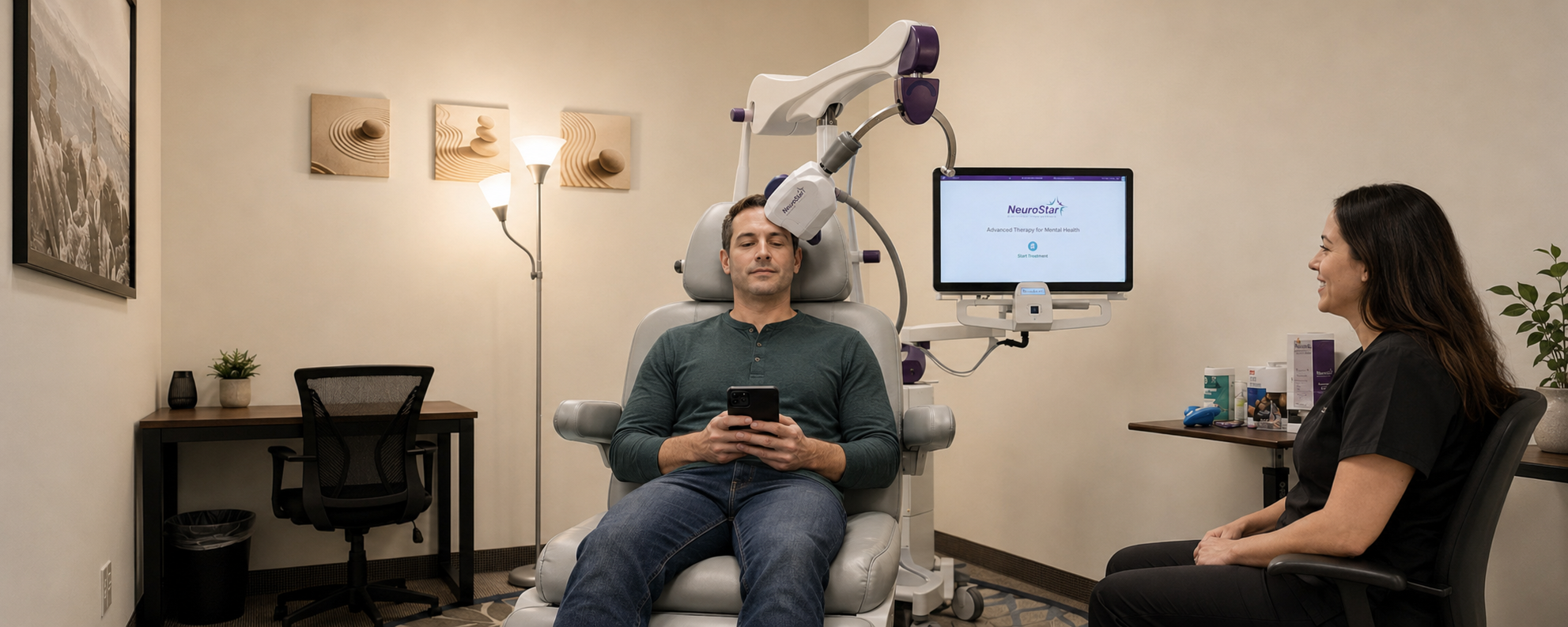
Financial Stress and Mental Health: How to Find Support
Financial stress can follow you into your sleep, relationships, and daily decisions. Learn how money worries affect mental health - and why you do not have to carry them alone.

We’re Listening: How Altium Health Is Strengthening the Client Experience
Feedback helps us recognize what is working, where we have fallen short, and what needs to change. Learn how Altium Health is strengthening the experience surrounding care.

Do I Need Mental Health Help? 12 Signs It May Be Time to Reach Out
You do not have to be in crisis—or know your diagnosis—to ask for help. These 12 signs can help you decide when it may be time to talk with a mental health professional.
How to Talk to Someone You Are Worried About: Substance Use, Support, and Next Steps
You do not need perfect words or proof of a diagnosis to express concern. Learn how to prepare, what to say, when to set boundaries, and when to seek urgent help.

Can You Have a Substance Use Problem and Still Be High-Functioning?
A job, a family, and a full calendar do not prove that substance use is safe or under control. Learn how to recognize the quieter signs of a problem and take a first step without shame.

Mental Health Care Without Judgment: Why Feeling Safe Matters
People should not have to hide parts of themselves to receive mental health or substance use treatment. Learn what nonjudgmental, client-centered care looks like - and why emotional safety matters in Utah.
Anxiety vs. Stress: How Can You Tell the Difference?
Stress and anxiety can feel nearly identical, but the trigger, duration, and effect on daily life may offer important clues. Learn what overlaps, what differs, and when it may be time to ask for help.

What Kind of Mental Health Treatment Do I Need?
You do not need to know the name of a program before asking for help. Learn how therapy, psychiatry, structured outpatient programs, advanced depression treatments, and substance use services differ - and how an assessment can help you find the right place to begin.

Spravato vs. IM Ketamine: What’s the Difference?
Spravato and IM ketamine are related, but they are not the same medication or treatment program. Learn how they differ in formulation, FDA status, administration, monitoring, scheduling, and access—and why the right choice begins with a medical assessment.

Social Detox vs. Ambulatory Detox in Utah: What’s the Difference?
Social detox and ambulatory detox are not the same level of care. Learn what each term means in Utah, why withdrawal should begin with an assessment, and how Altium Health supports appropriate adults through physician-supervised outpatient detox.

PHP vs. IOP in Utah: Which Level of Mental Health Care Is Right for You?
If weekly therapy is not providing enough support, PHP or IOP may be the next step. Learn how these structured outpatient programs differ and how an assessment can help you find the right level of care.

Antidepressants Aren’t Working—Now What?
If antidepressants are not providing enough relief, the next step may be a better assessment—not simply another prescription. These seven questions explain what to review and which depression treatment options are available in Utah.

💤 Sleep, Brain Health, and Mental Wellness After a Move
Discover why sleep and brain health are top mental health trends in 2025—and how small daily habits can support recovery and balance. Learn how Altium Health in West Jordan helps clients rebuild wellness after major life transitions

How to Cope with the Stress of Moving: Mental Health Tips for Change
Moving is Tough! We Know! Here is how to take care of your Mental Health during a Move

We Have Moved!
Altium Health has relocated to a new West Jordan address. Visit us at 6783 S Redwood Rd Suite 103 West Jordan, UT. We continue offering TMS therapy and mental health services in the Salt Lake County area.

Chatbots vs. Therapists: The Argument for Talking to a Real Human
Chatbots are transforming mental health support, but can they replace a therapist? The short answer: no. While AI chatbots offer 24/7 accessibility, nonjudgmental responses, and a safe digital space for stress check-ins or emotional journaling, they are not a substitute for professional care. Therapists provide what no algorithm can—human empathy, accountability, and evidence-based strategies for long-term healing. Safe chatbot use for mental wellness means understanding their role: a helpful tool to reflect, track moods, and practice coping techniques, but not a replacement for therapy or human connection. At Altium Health, we encourage balanced use of mental health technology. Chatbots can support your wellness journey, but therapy remains essential for navigating anxiety, depression, trauma, and addiction. If you’re exploring digital mental health tools, remember: chatbots can guide self-awareness, but therapists guide transformation. Discover how to use AI safely while prioritizing your mental health with real human support.

Digital Detox & Mental Clarity: Can Unplugging Help Ease Depression and Anxiety?
Discover how a digital detox can reduce anxiety, improve sleep, and support depression recovery. Learn practical steps from Altium Health experts.