

ALTIUM HEALTH TMS THERAPY
When medication isn’t enough, there may be another way.
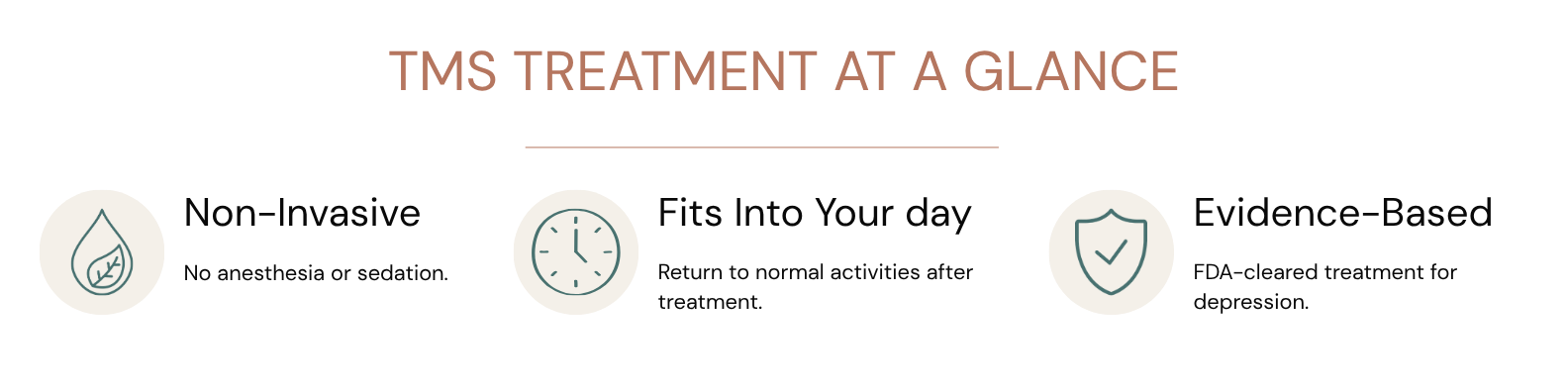
TMS is a non-invasive treatment for depression that uses targeted magnetic pulses to stimulate areas of the brain involved in mood—without medication, anesthesia, or downtime.
A DIFFERENT APPROACH TO DEPRESSION
Treatment that works with your brain—not against your life.
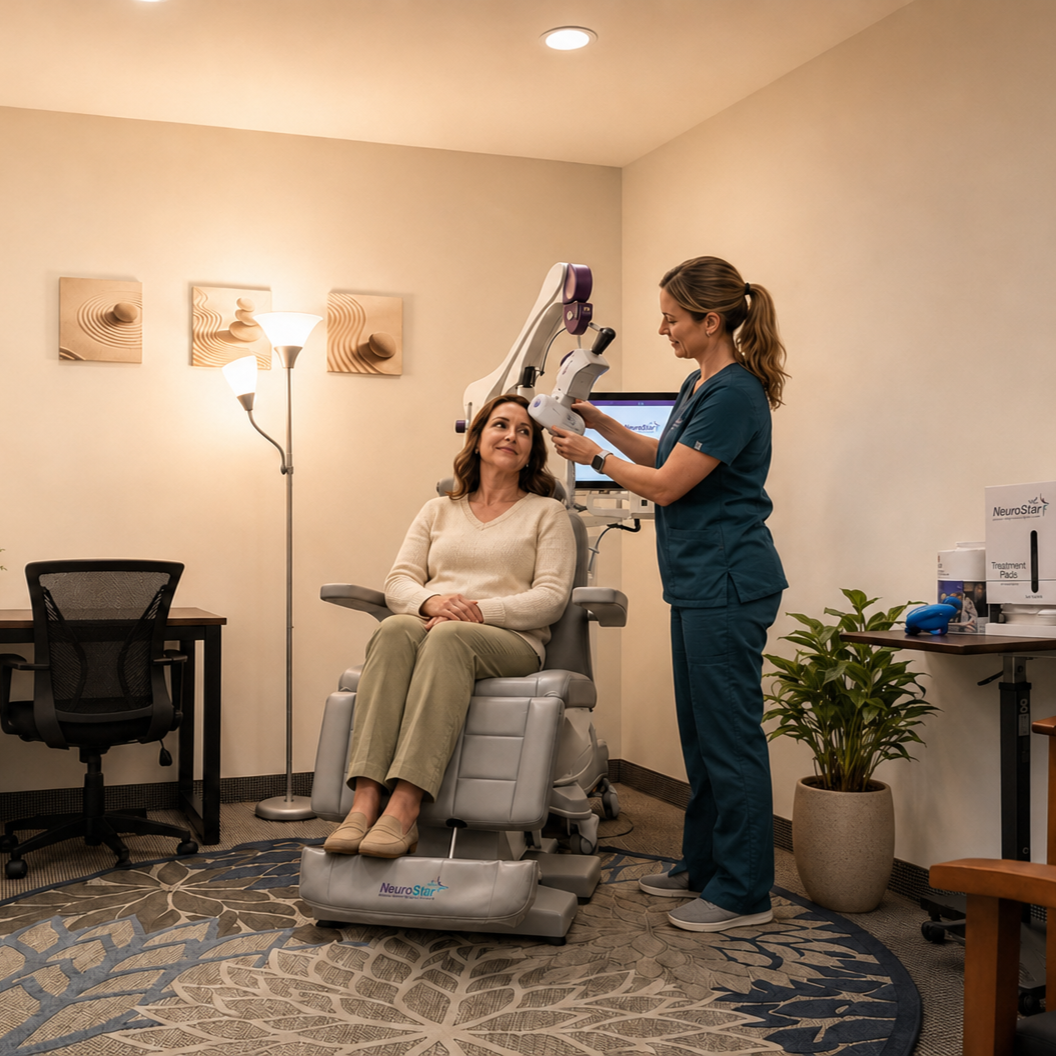
Transcranial Magnetic Stimulation uses focused magnetic pulses to activate areas of the brain involved in mood regulation. Treatment is delivered while you are awake and comfortable, and it does not circulate through the body like medication.
TMS THERAPY IN WEST JORDAN, UTAH
Advanced depression treatment—close to home.
Altium Health provides NeuroStar TMS therapy for people living with major depressive disorder, including depression that has not improved enough with medication or therapy. Treatment takes place in our comfortable West Jordan clinic and is designed to fit into everyday life—with no anesthesia, no sedation, and no required recovery period.
Located on Redwood Road, Altium Health serves individuals throughout West Jordan, South Jordan, Riverton, Herriman, Taylorsville, West Valley City, and the greater Salt Lake County area.

WHEN OTHER TREATMENTS HAVEN’T BEEN ENOUGH
You still have options.
TMS may be worth exploring if depression continues to interfere with your life despite previous treatment.
Antidepressant medication has not provided enough relief.
Side effects have made medication difficult to continue.
Depression keeps returning or remains persistent.
You want a non-drug, outpatient treatment option.
A consultation with our medical team will determine whether TMS is appropriate for you.

UNDERSTANDING YOUR OPTIONS
What is treatment-resistant depression?
Treatment-resistant depression is a term used when symptoms of major depression continue even after someone has tried appropriate treatment. You may still feel persistently low, disconnected, exhausted, unable to concentrate, or unable to enjoy the parts of life that once mattered—even while taking medication or participating in therapy.
This does not mean you have failed treatment. It means your care plan may need a different approach.
TMS may be considered when antidepressant medication has not provided enough relief or has caused side effects that are difficult to tolerate. Our medical team will review your symptoms, diagnosis, health history, previous treatment, and insurance requirements to help determine whether TMS may be an appropriate next step.


REAL-WORLD NEUROSTAR OUTCOMES
A treatment backed by meaningful results.

83%
Experienced a measurable
response
62%
Achieved
remission
8.5M+
NeuroStar treatments
delivered
Response and remission figures are based on clinician-rated real-world outcomes for patients who completed an acute NeuroStar treatment course. Individual results vary.
YOUR FIRST TMS APPOINTMENT
A thoughtful evaluation before treatment begins.
Your first appointment is designed to answer your questions and ensure that TMS is safe, appropriate, and personalized to your needs.
During your TMS evaluation, our team will:
Review your current symptoms and treatment goals
Discuss medications, therapy, and other treatments you have tried
Review your medical, neurological, and mental health history
Screen for factors that may affect TMS safety or eligibility
Explain the recommended treatment schedule
Review insurance authorization requirements and anticipated costs
Give you time to ask questions before making a decision
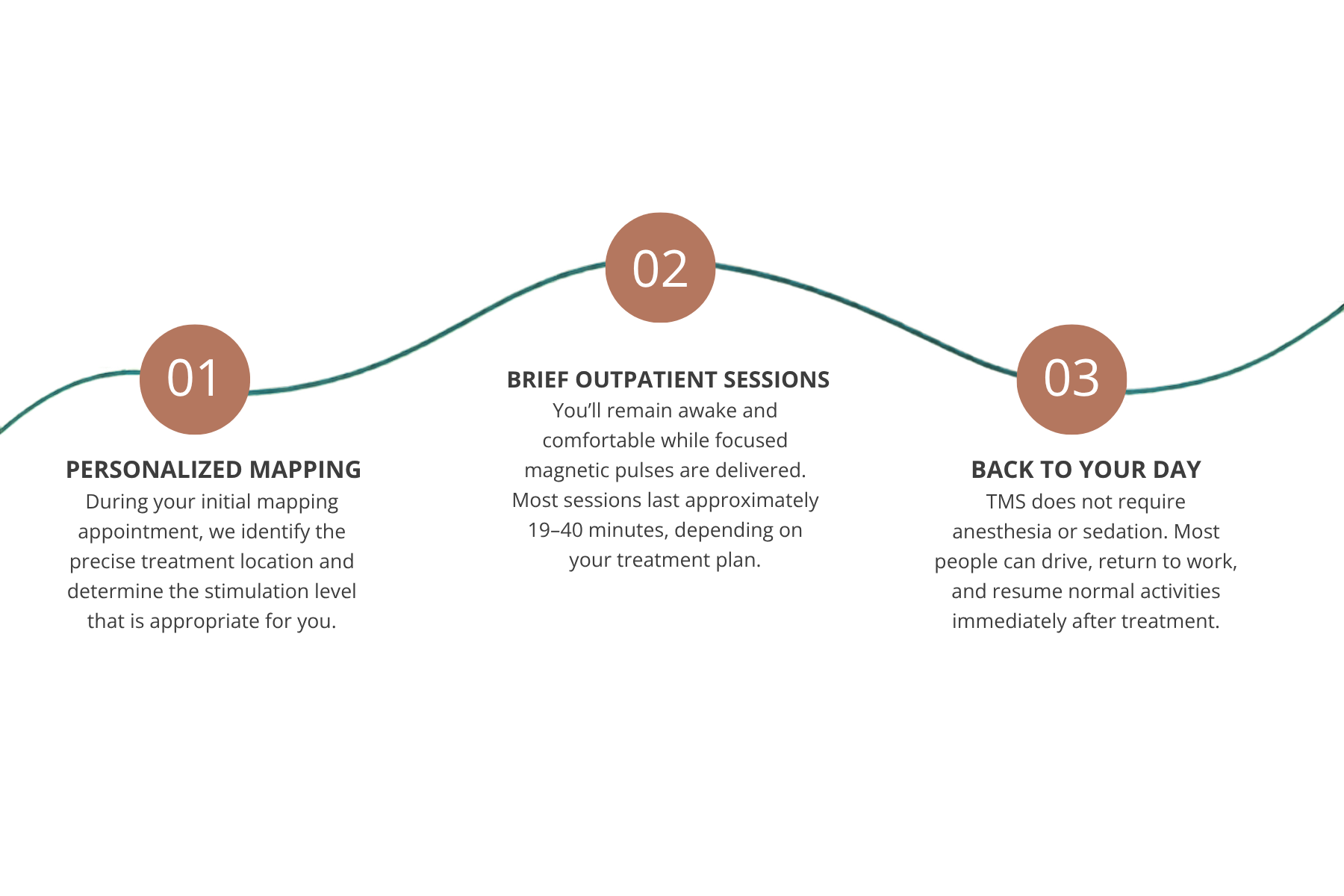
If TMS is recommended, your team will complete individualized mapping and motor-threshold testing to identify the treatment location and determine the appropriate stimulation level for you.
You do not need to arrive knowing whether TMS is the right answer. We will help you understand your options and make an informed decision.

COMPARING YOUR OPTIONS
How is TMS different from other depressions treatments?
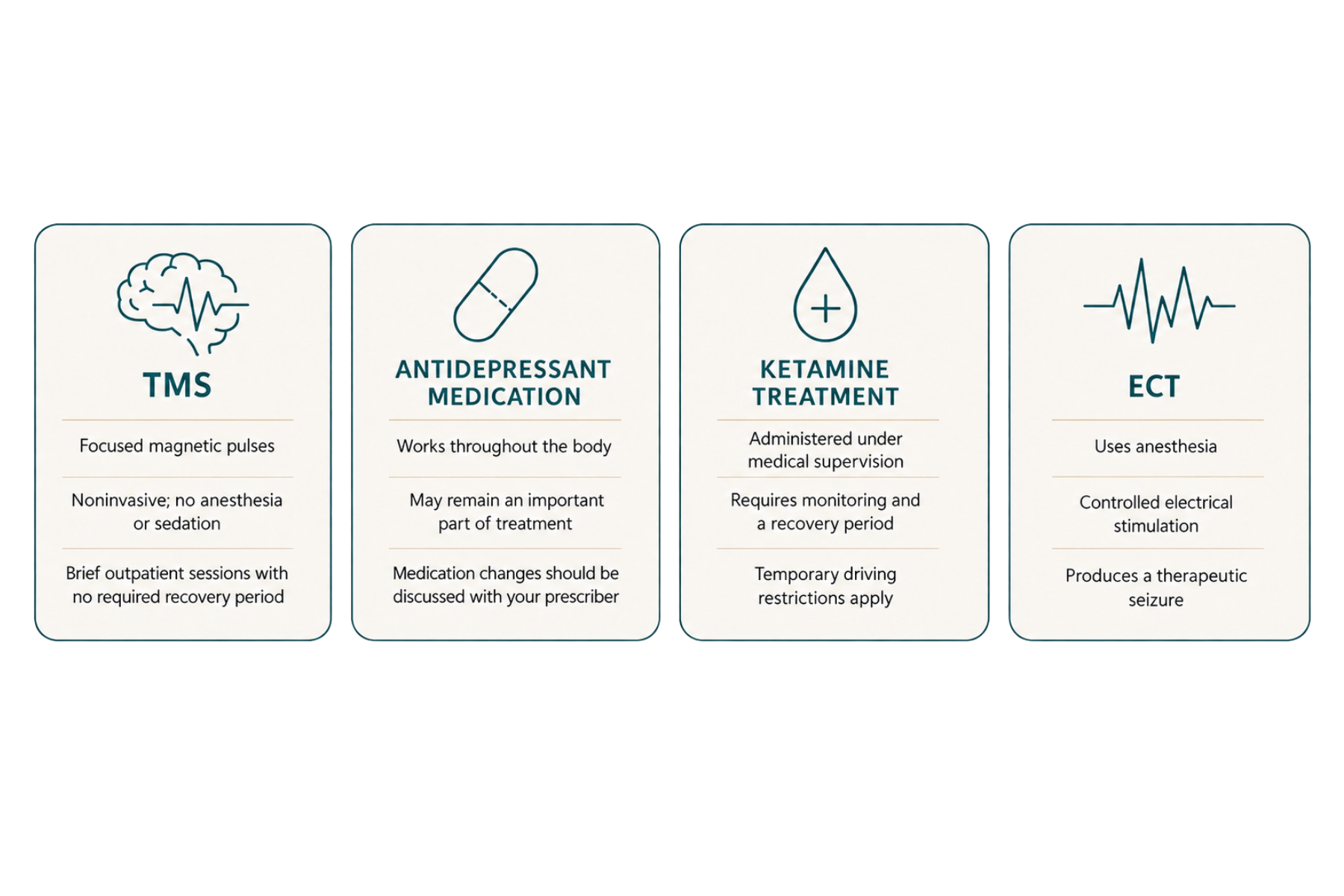
There is no single treatment that is right for everyone. Your symptoms, health history, previous treatment, preferences, and daily responsibilities all matter when choosing the next step.
COVERAGE & COST
TMS is covered by many insurance plans.
Coverage depends on your plan and treatment history. Our team will verify your benefits, explain requirements, and help you understand expected costs before treatment begins.
WHAT TO EXPECT
Comfortable care,one step at a time
TMS is one part of a more connected approach.
WHY ALTIUM HEALTH
At Altium Health, you are not treated like a diagnosis or passed between disconnected services. TMS is supported by a broader medical and behavioral health team that can help you understand the full range of options available.
Your care may include:
Psychiatric evaluation and medication management
Individual therapy
Ongoing symptom and outcome monitoring
TMS or ketamine treatment when clinically appropriate
Intensive Outpatient or Partial Hospitalization support when a higher level of care is needed
Help navigating insurance and authorization requirements
A respectful, client-centered, judgment-free environment
If your needs change, your care can change with you. You do not have to determine the right service on your own—we will help you find the most appropriate place to begin.
QUESTIONS ABOUT TMS
Clear answers
before you begin.
We know you have questions. Our team is here to provide clear information so you can feel confident about your next step.
-
Most people describe TMS as a tapping or pulsing sensation on the scalp. Some experience temporary tenderness or discomfort near the treatment area, particularly during the first week. Your treatment settings can often be adjusted to help you remain comfortable as you get used to the sensation.
-
Most sessions last approximately 19–40 minutes, depending on your personalized treatment plan. You’ll remain awake and alert throughout the session.
-
A typical course includes 36 treatments completed over approximately six weeks. Sessions are generally scheduled five days a week, followed by a gradual taper. Your provider will recommend a schedule based on your symptoms, progress, and individual needs.
-
Yes. TMS does not require anesthesia or sedation and does not affect alertness. Most people can drive, return to work, and resume their normal activities immediately after treatment.
-
Many insurance plans cover TMS for depression when certain medical-necessity requirements are met. Coverage varies by plan and may depend on your diagnosis and previous treatment history. Our team will verify your benefits, explain any authorization requirements, and review anticipated costs with you before treatment begins.
-
TMS is generally well tolerated. The most common side effects are temporary scalp discomfort, tenderness, tingling, or headache, particularly during the first several treatments. These effects typically lessen as treatment continues. A seizure is a rare but serious potential risk, occurring in fewer than 0.1% of patients. Our medical team will review your health history and discuss the benefits and potential risks before treatment begins.
-
No. TMS is not electroconvulsive therapy, or ECT. TMS uses focused magnetic pulses and does not require anesthesia or intentionally cause a seizure. You remain awake and alert throughout treatment.
-
Many people continue medication, therapy, or both while receiving TMS. Your medical provider will review your current treatment plan and determine whether any changes are appropriate. Do not stop or change medication without speaking with your prescribing provider.
-
Every person responds differently. Some people begin noticing changes during the first few weeks, while others experience improvement later in the treatment course. We monitor symptoms and progress throughout treatment so that your provider can evaluate how you are responding.
-
NeuroStar TMS is indicated for decreasing anxiety symptoms in adults with major depressive disorder who also experience anxiety symptoms. TMS is not automatically appropriate for every anxiety condition, so a clinical evaluation is needed to determine whether it fits your diagnosis and needs.
-
TMS may not be appropriate for people with certain implanted devices or non-removable conductive metal in or near the head. Other medical, neurological, or safety considerations may also affect eligibility. Our medical team will carefully review your history before treatment begins.
-
TMS is only one option. Altium Health also offers psychiatric care, medication management, therapy, ketamine treatment, and structured outpatient programs. If TMS is not appropriate, our team can help you understand other services that may better fit your needs.