

Medically Supported Withdrawal Care Without an Overnight Stay
AMBULATORY DETOX AT ALTIUM HEALTH
Altium Health’s Ambulatory Detox Program provides structured, medically supervised withdrawal management for eligible adults who can safely receive care in an outpatient setting.
Patients come to our clinic for assessment, medication management, monitoring, and supportive care, then return home with a responsible support person when clinically appropriate. Our team closely monitors symptoms throughout the withdrawal process and helps each patient transition into the next stage of treatment and recovery.
Ambulatory detox is not appropriate for everyone. Before treatment begins, a medical provider will evaluate your withdrawal risk, current symptoms, substance-use history, medical and psychiatric needs, medications, living environment, and available support. If a higher level of care is needed, our team will help determine the safest next step.

-
When you arrive, our team will welcome you and your support person and help you get settled. We will review your prescreening information and ask about:
The substances you have been using
When and how much you last used
Current withdrawal or intoxication symptoms
Previous withdrawal experiences or complications
Current prescriptions, over-the-counter medications, and supplements
Relevant medical and mental health conditions
Because urine testing may be part of your assessment, please speak with a staff member before using the restroom after arrival.
-
Your initial safety screening may include:
Blood pressure, heart rate, temperature, and oxygen level
Urine drug screening
Breath alcohol testing
Pregnancy screening when clinically appropriate
A standardized withdrawal assessment, such as COWS for opioid withdrawal or CIWA-Ar for alcohol withdrawal
A complete medical assessment by a qualified prescriber
These assessments help us determine whether ambulatory detox is appropriate and establish a safe, individualized treatment plan.
-
Our team will explain:
What to expect during the withdrawal process
The recommended treatment plan
Potential benefits and risks
Medications that may be used
Possible side effects or medication interactions
When to contact Altium Health
When emergency care may be necessary
You and your support person will have an opportunity to ask questions before signing the applicable treatment and medication consent forms.
-
Depending on your symptoms and medical needs, your prescriber may recommend medications to reduce withdrawal symptoms, cravings, nausea, anxiety, sleep disruption, elevated blood pressure, or other concerns.
For opioid withdrawal, treatment may include buprenorphine or another clinically appropriate medication. Alcohol withdrawal may require different medications and closer monitoring. All medications are prescribed and administered based on the patient’s individual assessment.
IV hydration, vitamins, or other supportive nutrients may also be provided when medically indicated. These services are not automatically required for every patient.
-
Throughout the visit, our team may repeat:
Vital signs and oxygen monitoring
COWS or CIWA-Ar assessments
Symptom evaluations
Medication response checks
Safety assessments
Your provider may adjust the treatment plan based on your symptoms and response to medication.
-
Detox is an important first step, but it is not the entirety of treatment. As you begin feeling more stable, our clinical and case-management teams will work with you to identify the support needed after withdrawal.
This may include:
Medication-assisted treatment, or MAT
Substance use or dual-diagnosis intensive outpatient programming
Individual or group therapy
Psychiatric care and medication management
Recovery-support services
Assistance with living arrangements or other practical needs
Referrals to a higher or different level of care when appropriate
Our goal is to help you move directly from withdrawal management into meaningful, ongoing support.
-
Before leaving, you and your support person will receive clear verbal and written instructions covering:
How and when to take prescribed medications
Safe medication storage
Symptoms to monitor
Activities or substances to avoid
When to contact the clinic
When to seek emergency care
The date and time of your next appointment
A responsible support person may be required to assist with transportation, medication accountability, and monitoring between appointments. Patients should not drive after receiving medications that may cause sedation or impairment.
Because withdrawal affects every person differently, your treatment plan will be based on your medical assessment and individual needs.
Your first visit is typically the most comprehensive.
WHAT TO EXPECT YOUR FIRST DAY
WHAT HAPPENS DURING THE FOLLOW - UP VISIT?
Many patients return daily during the earliest stage of withdrawal.
The exact number and frequency of visits depend on the substance involved, symptom severity, medical risk, and response to treatment.
At follow-up appointments, our team may:
Review changes in symptoms and substance use
Repeat vital signs and withdrawal assessments
Review medications and complete medication counts when applicable
Administer or adjust medications as directed by the prescriber
Provide IV hydration or supportive nutrients when medically indicated
Monitor for complications
Continue discharge, therapy, and recovery planning
IV support may be considered during the first several days, but the timing and frequency are based on clinical need.

Ambulatory detox may be appropriate for adults who are medically stable, have manageable withdrawal symptoms, can attend frequent appointments, and have a safe environment and reliable support between visits.
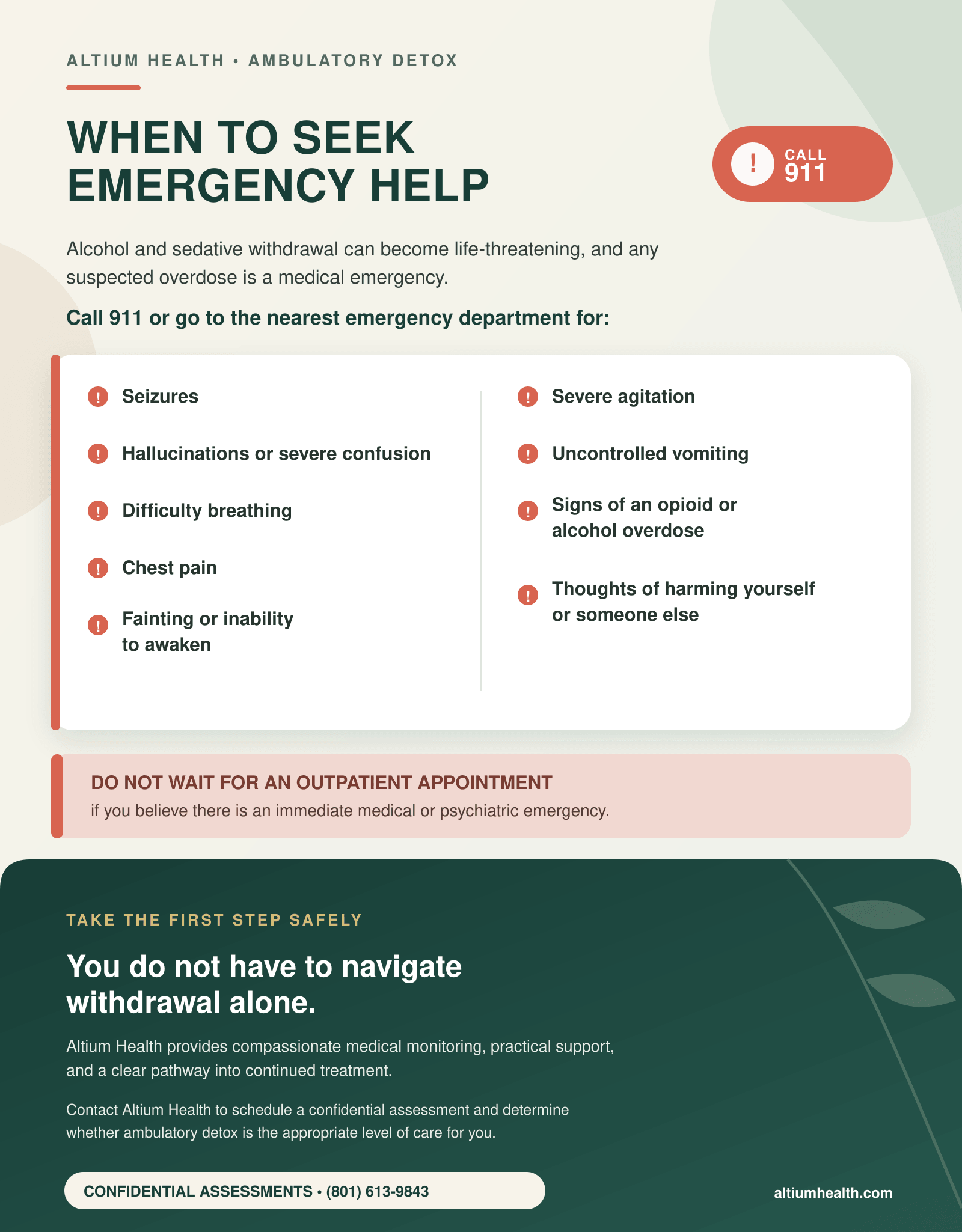
Some patients require emergency, inpatient, hospital-based, or residential withdrawal management. This may include individuals experiencing severe symptoms or those with significant medical, psychiatric, or withdrawal-related risks.
The safest level of care can only be determined after an appropriate clinical assessment.
Give us a call to learn more.
IS AMBULATORY DETOX RIGHT FOR ME?
More options. One connected team.
CARE DESIGNED AROUND YOU

Medication Management
Thoughtful psychiatric evaluation and ongoing medication support tailored to you.

Ketamine Therapy
Clinician-guided treatment for appropriate patients when other approaches have not helped enough.
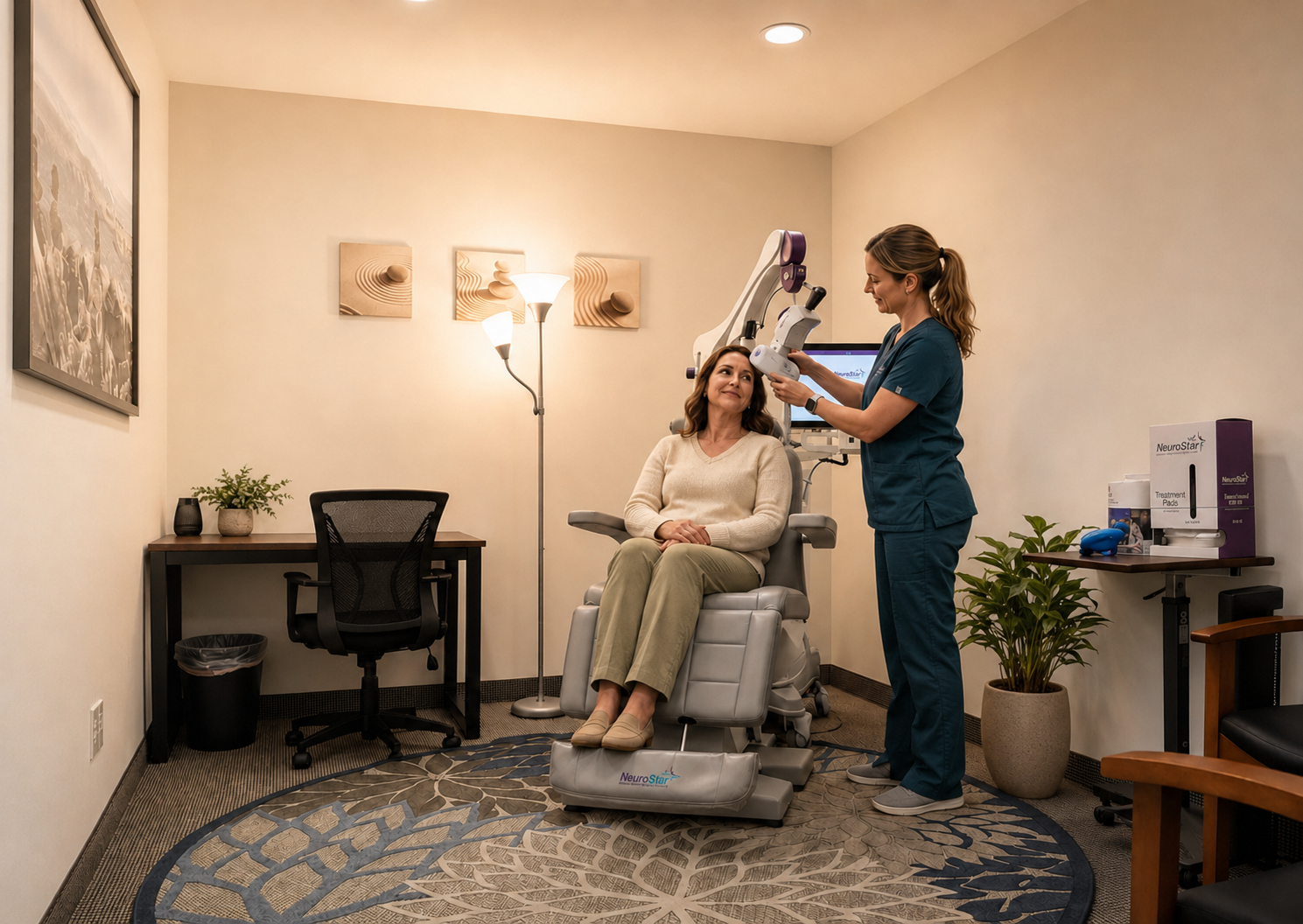
Transcranial Magnetic Stimulation
A non-invasive treatment option for depression with no anesthesia or recovery time.

Therapy Programs
Therapeutic support while you remain connected to home and daily life.

Medication-Assisted Treatment
Medication, counseling and ongoing support for substance use recovery.

NAD+ IV Therapy
Medically supervised IV support offered as part of an individualized care plan.

AMBULATORY DETOX AT ALTIUM HEALTH
Medically Supported Withdrawal Care Without an Overnight Stay
INSURANCE & PAYMENT
Making quality care more accessible.

Altium Health works with many major insurance plans. Because coverage varies by plan and service, our team will help you understand your benefits and anticipated costs before care begins.